
How to Choose the Best Hospital for Cancer Treatment in Bangalore: A Complete Guide for Patients and Families
Receiving a cancer diagnosis can be overwhelming for both patients and their families. Along with the emotional impact comes an important, time-sensitive question: where should treatment begin? Bangalore has become one of India's leading healthcare destinations, offering access to experienced cancer specialists, advanced diagnostic technologies, and comprehensive multi-modality oncology care. However, with multiple facilities claiming clinical excellence, finding the best cancer hospital in Bangalore can feel incredibly difficult.
The best oncology hospital is not defined by marketing claims alone. It is defined by the accuracy of diagnosis, the expertise of oncologists in Bangalore, the availability of cutting-edge therapeutic infrastructure, and the ability to provide coordinated, multidisciplinary care from the first consultation through recovery and long-term follow-up. For this reason, patients and families should evaluate healthcare facilities based on clinical capabilities, team-based expertise, and patient-centered support services.
ARC Cancer Hospital in Bangalore has built its entire care philosophy around these core principles.
What Defines a High-Quality Cancer Hospital?
Cancer is not a single, uniform disease, and therapeutic pathways are rarely straightforward. Every patient presents unique medical needs, biological risk factors, and personal treatment goals. A high-quality cancer treatment center in Bangalore therefore requires far more than advanced machinery; it demands an integrated, highly functional ecosystem of specialists working in absolute tandem.
The Power of a Multidisciplinary Tumor Board
One of the most critical indicators of quality cancer care is a multidisciplinary approach.
Patients should also actively look for hospitals that offer true continuity of care. Moving between multiple independent facilities for diagnostic imaging, pathology tests, surgeries, chemotherapy cycles, and follow-up visits can be deeply stressful and time-consuming. A comprehensive cancer hospital in Bangalore simplifies this exhausting journey by providing tightly coordinated services under one roof.
Equally important are holistic supportive services, such as:
Onco-nutritional counseling
Specialized pain management and palliative care
Physical rehabilitation and physiotherapy
Psychological support and psycho-oncology counseling
Long-term cancer survivorship programs
Cancer treatments affect much more than just the physical body; they deeply influence emotional well-being, daily routines, and overall quality of life.
Why Early Detection Remains the Foundation of Successful Cancer Care
Among all the clinical factors that influence oncology outcomes, early cancer detection remains the most powerful. Malignancies identified at an earlier, localized stage are often far easier to manage, have significantly higher cure rates, and may require much less aggressive therapeutic interventions.
Unfortunately, many forms of cancer develop silently over months or years, showing no outward symptoms until the disease has reached an advanced stage. This is why routine medical screening and preventive health assessments play such a vital role. Individuals with a strong family history of malignancy, lifestyle-related risk factors, or persistent, unexplained symptoms should prioritize regular evaluations.
ARC Cancer Hospital places a significant clinical emphasis on proactive, early screening.
Comprehensive Cancer Screening Services in Bangalore
Effective screening programs cannot use a one-size-fits-all approach; they must be tailored to specific organs, individual risk profiles, genetic backgrounds, and age groups. Standard master health check-ups often fail to identify the subtle biological changes associated with early-stage malignancies, making specialized cancer screening packages in Bangalore a crucial investment in preventive healthcare.
Breast Cancer Screening: Breast cancer remains one of the most common malignancies affecting women. Regular mammography can identify micro-calcifications and tiny tumors long before they can be felt physically. Utilizing advanced breast imaging in Bangalore, such as digital mammograms and 3D tomosynthesis, significantly improves early detection rates while reducing unnecessary patient anxiety and repeat testing.
Cervical Cancer Screening: Cervical cancer is highly preventable when caught early. Screening protocols like liquid-based cytology (LBC Pap smear) and high-risk HPV DNA testing help identify abnormal cellular changes before they turn invasive, serving as the most effective defense against cervical malignancies.
Prostate Cancer Evaluation: Men, particularly as they age, benefit immensely from structured prostate health assessments. Incorporating routine PSA (Prostate-Specific Antigen) testing, advanced pelvic imaging, and clinical urological consultations helps catch concerns early while minimizing unnecessary invasive procedures.
Lung Cancer Screening: Individuals with a significant history of smoking, occupational exposure to toxins, or prolonged environmental pollutant exposure should consider low-dose CT (LDCT) scans. Early identification of suspicious lung nodules at a dedicated cancer scan center in Bangalore dramatically improves long-term outcomes.
Colon Cancer Detection: High-definition colonoscopy and advanced gastrointestinal screening techniques allow gastroenterologists to locate, evaluate, and safely remove pre-cancerous polyps before they have the chance to transform into colorectal cancer.
Advanced Imaging and Diagnostic Technologies
Modern oncology depends entirely on diagnostic accuracy. High-resolution imaging technologies provide critical insights into precise tumor location, exact size, metabolic spread, and real-time response to ongoing therapies.
| Diagnostic Technology | Primary Role in Cancer Care |
|---|---|
| High-Speed CT Scans | Evaluating internal abdominal, thoracic, and pelvic organs; identifying structural structural abnormalities. |
| Advanced MRI Technology | Providing exceptional soft-tissue detail; critical for mapping complex anatomical structures with precision. |
| Digital X-Ray & 3D Mammography | Routine bone/chest assessments and high-definition breast tomosynthesis for dense breast tissue. |
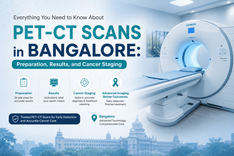
| PET-CT Imaging | Combining anatomical structure with metabolic activity to stage cancer, monitor treatment, and catch recurrences. |
The seamless availability of these advanced modalities within a single cancer diagnostic center greatly improves efficiency.
The Growing Role of Pathology and Biomarker Testing
Cancer treatment has evolved dramatically over the last decade.
Clinical pathology remains the absolute anchor of a definitive diagnosis. Biopsy and tissue samples provide detailed information regarding the tumor type, biological grade, and cellular behavior. However, moving beyond traditional microscopy, advanced biomarker testing and molecular profiling allow doctors to identify the exact genetic mutations driving a tumor's growth.
Blood-based tumor markers such as PSA, CA-125, and CEA are widely utilized to support clinical diagnosis and monitor treatment success over time.
These milestones enable a highly personalized approach to treatment.
Specialised Imaging for Complex Conditions
Certain oncology cases require highly specialized, niche diagnostic pathways.
Modern neuro-imaging technologies provide invaluable spatial maps that assist neurosurgeons, radiation oncologists, and medical oncologists when developing complex treatment plans near critical brain structures. Detailed tracking is equally vital for post-therapeutic monitoring and follow-up care.
Similarly, cancers affecting highly complex areas such as head and neck structures, the hepatobiliary system, or deep retroperitoneal spaces require dedicated imaging pathways designed specifically for those sub-specialties. Access to this level of specialized diagnostic expertise ensures that patients receive an accurate, uncompromised evaluation from day one.
Whole-Body Cancer Screening: Who Should Consider It?
A comprehensive full-body cancer checkup in Bangalore has become a popular option for individuals seeking total reassurance regarding their health status.
Individuals with a strong, multi-generational family history of cancer.
Those carrying known inherited genetic mutations (like BRCA1 or BRCA2).
Persons with multiple cumulative lifestyle risk factors or prolonged toxic environmental exposures.
Patients presenting with persistent, unexplained systemic symptoms that routine medical checkups fail to clarify.
These comprehensive screening programs combine extensive biochemical blood profiles, specialized tumor marker panels, advanced diagnostic imaging, and clinical consultations with a senior medical oncologist.
A Practical Checklist for Choosing a Cancer Hospital in Bangalore
Before selecting a hospital for your or your loved one's care, patients and families should systematically evaluate several essential criteria:
[ ] Expertise: Are there highly qualified, organ-site specialized oncology specialists (surgical, medical, and radiation) on the core team?
[ ] Collaboration: Is there a formal, multidisciplinary Tumor Board setup for collaborative treatment planning?
[ ] Technology: Does the facility feature advanced imaging infrastructure (PET-CT, high-tesla MRI) and an advanced molecular pathology lab?
[ ] Prevention: Are there comprehensive, risk-stratified cancer screening programs available?
[ ] Continuity: Can the hospital manage the entire journey from early screening and diagnostics to surgery, systemic therapies, and long-term survivorship under one roof?
[ ] Support: Does the hospital provide integrated supportive care, including psycho-oncology, dedicated onco-nutrition, and pain management?
[ ] Transparency: Is there clear, honest, and empathetic communication regarding the proposed clinical treatment plans and the associated cancer treatment cost in Bangalore?
Conclusion
Choosing where to receive treatment is one of the most significant healthcare decisions a patient and family will ever make. Moving past basic marketing claims, truly effective cancer care relies on clinical expertise, multidisciplinary collaboration, swift and accurate diagnosis, and an unwavering commitment to supporting the patient through every phase of their recovery.
ARC Cancer Hospital seamlessly integrates early detection programs, advanced diagnostic imaging, molecular pathology, multi-specialty clinical expertise, and deeply personalized treatment planning.
For individuals seeking trusted medical guidance, preventive screening, an accurate second opinion, or advanced treatment, partnering with a dedicated oncology center makes a meaningful difference. The right combination of clinical expertise, advanced medical technology, and compassionate care helps families move forward through treatment with greater confidence, clarity, and peace of mind.
Frequently Asked Questions (FAQs)
Q1. Why is ARC considered a leading early cancer detection center in Bangalore?
ARC couples cutting-edge screening technologies, specialized high-resolution imaging, comprehensive tumor marker assays, and highly experienced oncology professionals to ensure rapid, definitive diagnoses and timely medical interventions.
Q2. What is the average whole-body PET-CT scan cost in Bangalore?
The PET scan cost in Bangalore can vary depending on the specific imaging protocol required (e.g., FDG vs. PSMA scans), the clinical complexity of the case, and the specific healthcare institution. For updated, transparent pricing information tailored to your diagnostic requirements, it is best to contact the hospital administration directly.
Q3. When should a woman schedule a 3D mammography scan?
Women aged 40 and above should discuss routine breast screenings with their physician. Those with dense breast tissue, a known personal history of atypical breast changes, or a strong family history of breast cancer may be advised to begin specialized imaging earlier.
Q4. How is prostate cancer diagnosed?
A definitive clinical diagnosis typically involves a combination of routine blood-based PSA testing, specialized imaging studies (such as multi-parametric MRI), a physical digital rectal examination (DRE), and a targeted biopsy procedure where clinically indicated.
Q5. What diagnostic steps are involved in evaluating a brain tumor?
The diagnostic pathway for a suspected brain tumor usually requires advanced, high-contrast MRI protocols, specialized structural imaging sequences, and a comprehensive review by a neuro-oncology team to determine the precise tumor characteristics and build an optimal treatment roadmap.
Q6. Who should consider lung cancer screening?
Individuals aged 50 and above who have a heavy history of smoking (e.g., a 20 pack-year history), individuals who have quit smoking within the past 15 years, or those with prolonged occupational exposure to known carcinogens should seek low-dose CT lung screenings.
Q7. What is included in a whole-body cancer screening package?
A comprehensive screening package typically incorporates extensive biochemical blood counts, organ function markers, targeted tumor markers (such as PSA, CA-125), specialized diagnostic imaging of major organ systems, physical clinical examinations, and a personalized risk-assessment consultation with a specialist.
Need Cancer Care Guidance or a Second Opinion?
Consult senior surgical, medical, and radiation oncology specialists at ARC Cancer Hospital, Wilson Garden, Bangalore.